26ers · Executive Briefing for Public-Sector Leaders
Mission-First
AI Transformation
Most AI efforts begin with technology. Successful AI transformation begins with mission clarity, operating models, governance, and decision architecture.
26ers helps public-sector leaders design the mission alignment, governance, decision rights, and operating architecture required to deploy AI with accountability, operational readiness, and measurable mission outcomes.
Our Approach
The Executive Design Framework
Closing the AI Outcome Gap
Executive Design Framework
Closing the AI Outcome Gap
Before architecture is designed, leadership aligns on what the organization exists to accomplish, what success requires, and the organization it intends to become.
North Star
What is our North Star for our teams, people, and those we serve?
Strategic Objectives
What must we accomplish over the next 12–36 months?
Future Vision
What organization are we intentionally building over the next 5–10 years?
Operating Identity
How do we want this organization to operate and make decisions?
Success is defined before any workflow, model, or platform is chosen.
Mission Impact
What measurable organizational change are we trying to accomplish?
Operational Performance
What levels of speed, quality, and operational performance are required?
Human Experience
How should our people—and those we serve—experience this change?
Risk & Continuous Improvement
Which risks are non-negotiable, and how will the organization continuously improve over time?
The operating architecture defines how people, AI, and workflows work together to achieve the organization's goals.
Human + AI Operating Model
Who does what—and where does AI create the greatest value?
Decision & Access Rights
Who can make which decisions, access what information, and when should work be escalated?
Operational Workflows
How does work get done today, and where should it improve?
Continuous Improvement
How will the organization continuously improve over time?
Governance ensures people and AI operate with clear authority, accountability, oversight, and trust.
Decision Authority
Who can decide, approve, or commit on behalf of the organization?
Access & Oversight
Who can access what information, and how is execution monitored?
Escalation & Accountability
How do consequential decisions move, and who remains accountable?
Risk & Standards
What boundaries ensure safe, compliant, and consistent execution?
Technology is selected to support the mission, desired outcomes, operating architecture, and governance—not the other way around.
Platform Strategy
Which technologies best support our operating model and long-term goals?
Data Foundation
What data foundation will support today's operations and tomorrow's growth?
User Experience
How should employees, customers, and partners interact with AI?
Build, Buy & Leverage
What should we build, what should we buy, and what capabilities can we leverage?
Results are measured by stronger organizational performance, repeatable execution, and continuous improvement.
Execution Performance
How has execution improved?
Mission Outcomes
How do we know the mission is advancing?
Organizational Capability
What new capabilities has the organization developed?
Long-Term Advantage
What organizational capabilities are becoming difficult to replicate?
02 · The AI Outcome Gap
AI Investment Is Accelerating.
Business Value Isn't.
The gap between AI investment and realized outcomes is widening.
Why?
AI is being introduced into operating models that were never designed for it, without the decision rights, governance, or accountability structures the mission requires.
The Outcome Gap is the widening difference between AI investment and realized mission outcomes.
Closing the gap requires redesigning the operating model, not simply deploying more technology.
Closing the AI Outcome Gap requires redesigning the operating model.
Technology alone does not create organizational transformation.
Why the Outcome Gap Exists
Organizations don't struggle because AI is incapable. They struggle because AI is being introduced into operating models that were never designed for it.
Symptoms of the Outcome Gap
Disconnected Tools
Point solutions create overlap, silos, shadow workflows, and fragmented execution.
Mission-First
Operating Model
Design the operating model before selecting the technology.
This is the leadership conversation that aligns mission, governance, workflows, and technology before implementation begins.
Executive Alignment
Establish a shared executive definition of mission success before any transformation work begins.
- Executive interviews on mission and priorities
- Outcome and success-metric definition
- Cross-leadership alignment on scope and pace
- Mission and outcomes brief
- Prioritized executive objectives
- Alignment memo signed by leadership
- Mission scope and non-goals
- Executive sponsor and steering cadence
- Definition of success for the engagement
- Every executive can restate the mission in one sentence
- Outcomes are measurable, not aspirational
The operating model shapes the outcome. Technology enables it.
Governing Human + AI Organizations
As AI becomes part of mission execution, governance must evolve to include both humans and AI.
The next challenge is establishing the governance architecture that enables humans and AI to operate with clear authority, accountability, and oversight.
- Governance Principles
- Decision Architecture
- Authority & Accountability
- Human + AI Operating Model
The Human + AI Operating System
Organizations do not scale AI by adding more models. They scale AI by building an operating system where humans and intelligent systems work together under one architecture.
Knowledge & Memory
Institutional knowledge graph, retrieval, document and decision archives. The organization's compounding memory.
Business Impact
Knowledge compounds across people, workflows, and AI systems.
Every deployment raises the starting point for the next.
The operating system is what turns isolated AI pilots into compounding capability.
Why does a mission-first operating model build durable organizational capability?
Most organizations run the same execution cycle over and over, and get the same results. A mission-first operating model captures, structures, and reuses what the organization learns from every cycle. Each cycle improves the next. Capability compounds. Organizations implementing the same AI technologies will not achieve the same results without redesigning how mission, governance, workflows, and decision-making operate together.
Capture experience. Improve decisions. Accelerate mission outcomes.
From Organizational Intelligence to Mission Outcomes
As intelligence compounds, organizations increase decision quality, execution capacity, organizational leverage, and ultimately produce better mission outcomes.
Organizational Capability
The enduring capability an organization builds as its operating model continuously converts experience into intelligence.
Mission Outcomes
Faster Mission Execution
Better Decisions
Higher Operational Performance
Measurable Mission Outcomes
Build Your AI Modernization Office
AI modernization affects every major organizational capability. AI modernization opportunities across the enterprise.
Mission
Translates strategy into the measurable mission outcomes every AI investment must serve.
- North Star and outcome definition
- Prioritization against mission objectives
- Alignment of AI investment to results
In Practice
Government organizations can modernize AI across mission, operations, intelligence, logistics, and citizen services. Missions differ — but the principles for governing Human + AI systems, protecting sensitive data, and delivering measurable outcomes remain consistent.
Examples of AI modernization across the enterprise.
How Human + AI Systems Compound Organizational Capability
Each cycle creates more capability than the one before it — decisions sharpen execution, execution produces outcomes, outcomes feed learning, and learning compounds into organizational leverage.
Decision Quality
Human + AI decision systems surface better evidence, sharpen judgment, and accelerate executive alignment.
Business Impact
Higher-confidence decisions, made faster, with fewer reversals.
Engagement Models
From strategy through implementation, 26ers helps organizations design, deploy, and scale Human + AI operating systems that improve performance, increase execution capacity, and create organizational leverage.
Strategic Advisory
Strategic clarity for AI-era decisions.
- Aligned executive direction on operating model strategy.
- Prioritized opportunity portfolio with clear sequencing.
- Defined governance posture and decision rights.
Design & Implementation
End-to-end operating model transformation.
- Human + AI operating system designed, implemented, and operationalized.
- Governed workflows delivering measurable business outcomes.
- Internal capability developed to scale and evolve the model.
Optimization & Scale
Compounding organizational leverage over time.
- Continuous optimization across pilots, rollout, and portfolio.
- Embedded senior counsel through transitions and expansion.
- Sustained organizational leverage and adoption velocity.
Learn More About Service Offerings
Each engagement model is composed of modular services that can be tailored to your organization's goals, operating environment, and implementation needs.
9 ServicesWhy 26ers
Artificial intelligence is not simply a technology shift.
Organizations that create lasting value will redesign how decisions are made, how knowledge moves, and how people and intelligent systems work together.
AI is an operating model shift.
26ers partners with leadership teams to design Human + AI operating models that align mission, governance, workflows, and technology into a single operating system for execution.
The objective is measurable improvements in decision quality, execution capacity, and mission outcomes.
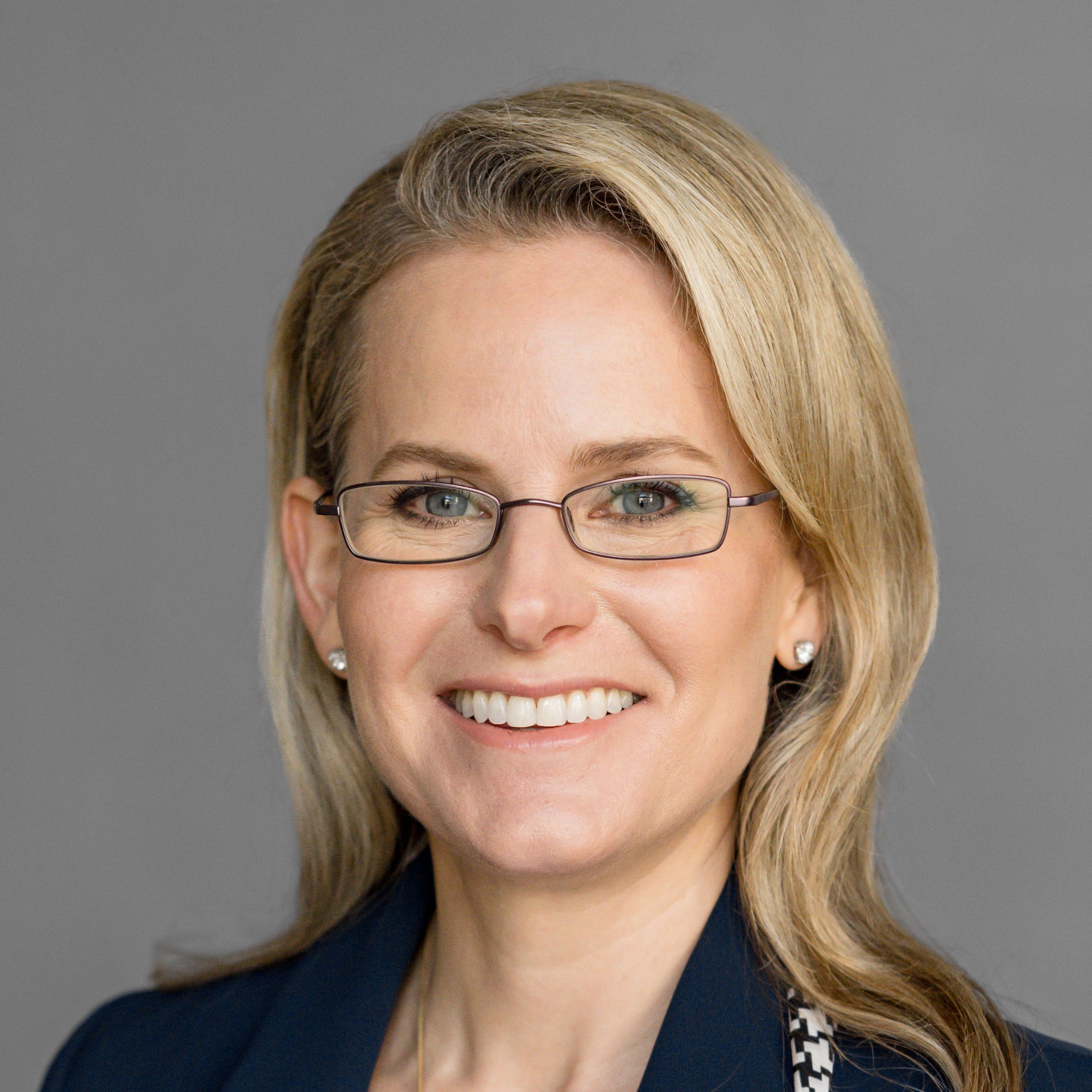
Theresa Piasta
Founder & CEO
26ers AI Systems Studio
An enterprise transformation leader and AI strategy executive advising organizations on AI operating models, governance, and Human + AI systems design.
Her experience spans enterprise software, financial services, and military leadership as a former U.S. Army Captain.
Selected Experience
- Salesforce
- Outreach
- Cresta
- J.P. Morgan
- Bank of America Merrill Lynch
- U.S. Army
26ers helps government leaders design Human + AI operating systems that improve mission execution, strengthen decision quality, and build enduring organizational capability.
We advise organizations on mission alignment, governance, decision architecture, operating model redesign, and implementation. Our approach helps government organizations deploy AI with clear accountability, operational readiness, and measurable mission outcomes.
The next step is a private executive briefing. Together, we'll assess your mission, operating model, governance, and organizational readiness, then identify practical opportunities to improve decision quality, execution capacity, and mission performance through Human + AI operating systems.